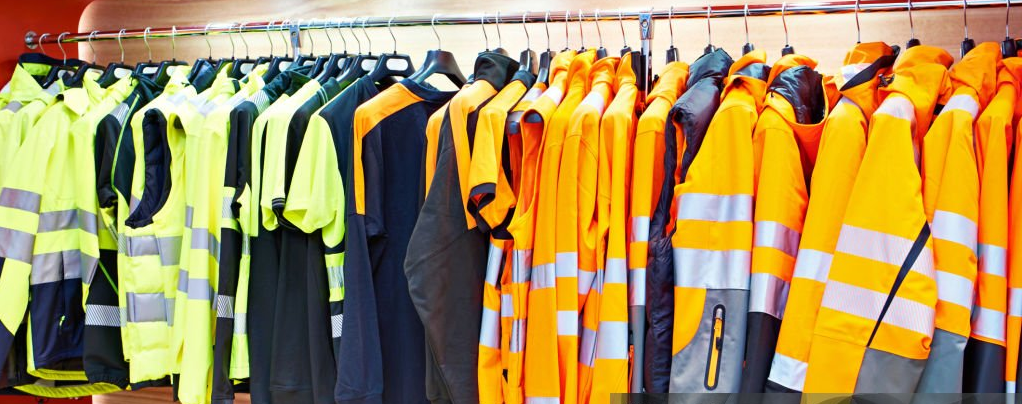
PPE Uniforms and Garments: Protecting Workers on Every Job

In every industry—from construction sites to laboratories, manufacturing plants to roadworks—worker safety is a top priority. One of the most effective ways to protect employees from accidents and injuries is through Personal Protective Equipment (PPE), specifically PPE uniforms and garments.

What Are PPE Uniforms and Garments?

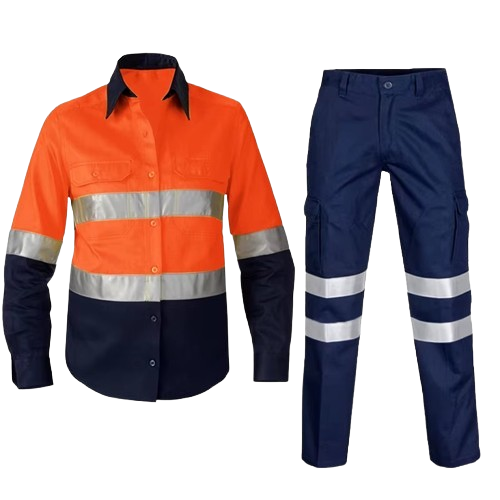
PPE uniforms and garments are specially designed clothing that protects workers from specific hazards in their workplace. Unlike regular clothing, PPE garments are made from materials that resist chemicals, heat, fire, cuts, or impact, depending on the type of work being performed.

Examples include:

  • High-visibility vests and jackets – Make workers clearly visible in low-light or high-traffic environments.
  • Protective coveralls – Full-body garments that shield against chemical splashes, dust, or debris.
  • Flame-resistant clothing – Prevents or minimizes burn injuries in fire-prone workplaces.
  • Waterproof and weather-resistant uniforms – Keep workers dry and safe during outdoor work.
  • Specialized laboratory coats and smocks – Protect against chemical spills or biohazards.

Why PPE Garments Are Essential

  1. Safety First – The primary goal of PPE is to reduce the risk of injury. For example, a reflective vest can prevent accidents near moving vehicles.
  2. Compliance with Regulations – Industries are governed by safety standards (OSHA, ISO, ANSI) that often require specific PPE uniforms.
  3. Enhanced Comfort and Productivity – Modern PPE garments are designed not just for protection, but also breathability, mobility, and comfort, allowing workers to perform tasks efficiently.
  4. Professional Appearance – Uniforms also provide a sense of organization and professionalism, fostering team identity.

Choosing the Right PPE Uniforms and Garments

When selecting PPE garments, consider:

  • Hazard Type – Understand whether the risk is chemical, mechanical, thermal, or electrical.
  • Material and Quality – Ensure fabrics meet safety standards for the specific hazard.
  • Fit and Comfort – Ill-fitting uniforms can restrict movement or reduce protection.
  • Durability and Maintenance – Choose garments that are easy to clean and maintain while retaining safety features.Thia found at www.fadhasafety.co.tz

Tips for Proper Use and Maintenance

  • Inspect Before Use: Check for tears, holes, or worn-out parts that compromise protection.
  • Follow Manufacturer Guidelines: Each PPE garment has specific washing and care instructions.
  • Replace When Necessary: Damaged or expired PPE cannot provide adequate protection.
  • Train Workers: Ensure employees understand how and when to wear PPE correctly.

Conclusion

Investing in high-quality PPE uniforms and garments is more than a regulatory requirement—it’s a commitment to protecting your workforce and promoting a safe work environment. By choosing the right garments, maintaining them properly, and training staff on their use, businesses can prevent accidents, improve productivity, and ensure compliance.

Shopping cart

0
image/svg+xml

No products in the cart.

Continue Shopping